
Our Property Finance promise
Our experience enables us to give you the best advice and source the most appropriate finance for your venture. Whether its development finance, commercial mortgages or short term bridging loans, we will work with you to find the best option for your project.

What’s included in Property Finance?
Property comes in all shapes and sizes and we can support businesses in most cases:
Commercial: Offices, retail units, small commercial units and large distribution warehouses
Residential: Houses, flats and HMOs (house in multiple occupation)
Student accommodation: Large and small schemes, private lets and tied arrangements with universities
Mixed use schemes are also supported.

Commercial Mortgages
Commercial mortgages can be used to fund a wide variety of property types including full commercial or mixed-use properties and even land.
Lenders tend to view applications on an individual basis, so how your application is positioned is critical. We structure the deal to support your business and the lender criteria, getting the best for your business.
Whether it’s required to purchase or refinance business premises; for established properties or design and builds (for owner occupier status) we can achieve the optimum structure for you. Pension lending is also an option.

Property Investment/Buy To Let
We understand the potential of property investment but also the pitfalls, so you can count on our knowledge and financial know-how to help you develop and grow your property portfolio. This includes residential buy to let portfolios as well as commercial property investments.
Property investment can drain money as easily as it can give you returns, so it’s imperative you have the right financial product behind it.
We assess your long term plans and establish suitable lenders for you and your portfolio.

Property Development
Property development is all about maximising your margins to secure a strong profit.
Development finance costs vary widely depending on the lender and structure, meaning planning and finding the right funder are critical.
We support both aspects to achieve an optimum structure for you, working with lenders across the property development finance market which ultimately save you money and deliver your funding on time. Heavy refurbishment projects might require development finance too.

Bridging Finance
Bridging finance is typically a short term, flexible product which can be used in many scenarios. This could be acquiring, refinancing or refurbishing commercial or residential property. It will often facilitate heavy or light refurbishment or the completion of a project as cash flow tightens.

Auction Finance
Auctions can be a quick way to buy a property or land at a discounted price, but you need to have the capital to hand to finance the deal. We work with lenders who specialise in finance for property purchases at auction, so you are able to act swiftly.

Pension Lending
To apply for this type of property-backed, pension-linked borrowing, you’ll need either a self-invested personal pension (SIPP) or a small self-administered scheme (SSAS). SIPP and SSAS loans are structured finance solutions that allow you to buy a commercial property through a pension scheme.

FAQs
What is property finance?
There are a range of property finance options available for investors, developers and landlords to access, generally secured against the property and/or land:
Property finance for developments are generally short term loans to cover the costs of converting an existing property or developing land into flats, houses in multiple occupation (HMOs), or alternate uses. It is normally advanced as a loan, secured against that property or land asset.
What is a commercial mortgage?
It is used to purchase commercial property such as retail units, offices, industrial units or to even consolidate larger Buy-to-Let portfolios.
Either the property is being purchased as an investment and will ultimately be let, or it is ‘owner occupied’, when the business trades from that address. Different lenders offer different terms depending on the circumstances.
Principally it works in the same way as a private mortgage to finance the cost of a large purchase.
What is auction finance?
Auctions can be a quick way to get a property at a discounted price, but you need to have the capital to hand to finance the full deal. There are lenders who specialise in finance for property purchases at auction.
Is there a difference between bridging finance and development finance?
Both of these options generally facilitate short-term funding to cover costs of building and development costs. Different lenders or investment platforms will vary their criteria but typically, bridging finance will facilitate light refurbishment or the completion of a project as cash flow tightens, and development finance will allow for more major work such as heavy refurbishment or renovations, and most commonly for ground-up development projects.
What’s the best way to finance commercial property?
Rates tend to be lower when the property is used as security, so a commercial mortgage tends to offer lower interest rates than a business loan and is usually seen to be the best route to finance commercial property.
How do I get a loan for property development?
All successful property developers are good planners and getting the right finance in place is a crucial ingredient in development success. Finance for property development is a complex area and one of the first steps in determining the type of finance needed is to assess how extensive the project is, how long it will take, and how much it is likely to cost — in both the best- and worst-case scenario. The type of loan you get will depend on what you need the funds for.
If you’ve got the right exit strategy in place and the lender deems you eligible, you can get a loan for property development.

Fact Find and Situation
We’ll discuss your current situation and immediate requirements, as well as gain an understanding of your longer term goals to ensure your finance requirement complements your business goals.

Assess and Analyse
Review of your business financials and information to ascertain the debt capacity within your business to ensure the all important affordability and your ability to repay any debt.

Research and Model
Explore all options available suiting your needs and model the various solutions, providing comparable terms and structures from a range of lenders to support your decision making.

Recommend and Apply
Outline the advantages and disadvantages of the range of solutions sourced so you can identify the most suitable deal for you . We complete the application to the chosen lender on your behalf, managing it through to completion.
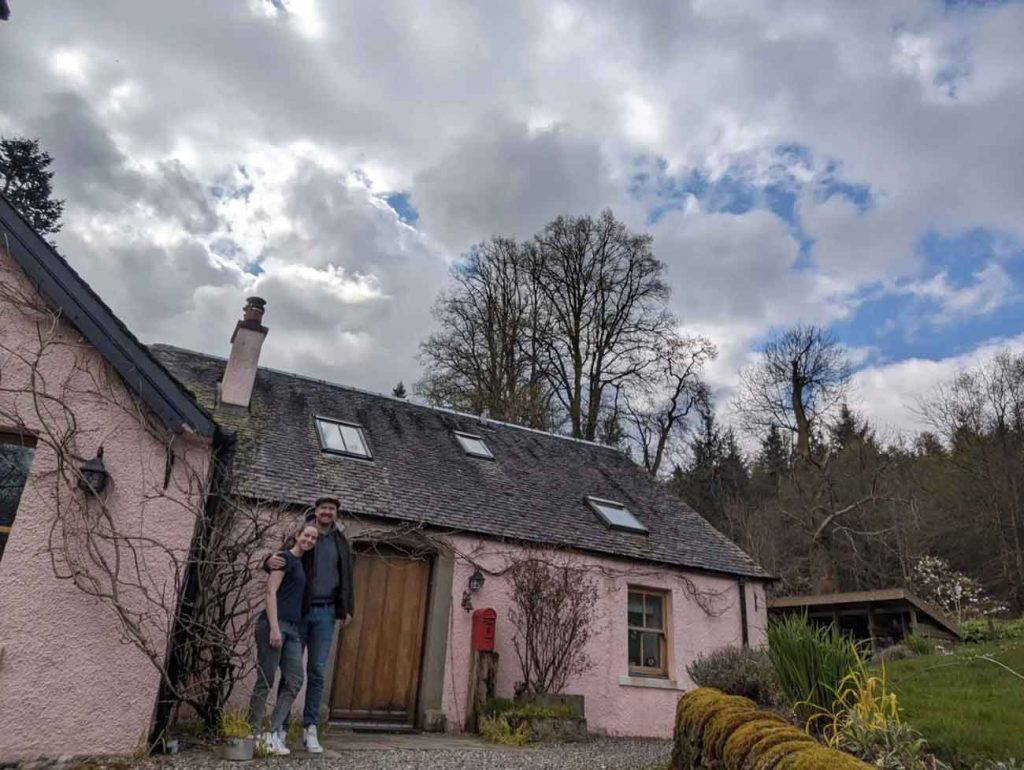
Dreamcatchers
Home » Property FinanceHusband and wife team, Joe and Mhairi (traditional gaelic name – pronounced Vaari) are a young professional Glaswegian couple with a passion for the outdoors. Whilst out and about exploring Scotland in their motorhome one day, they […]
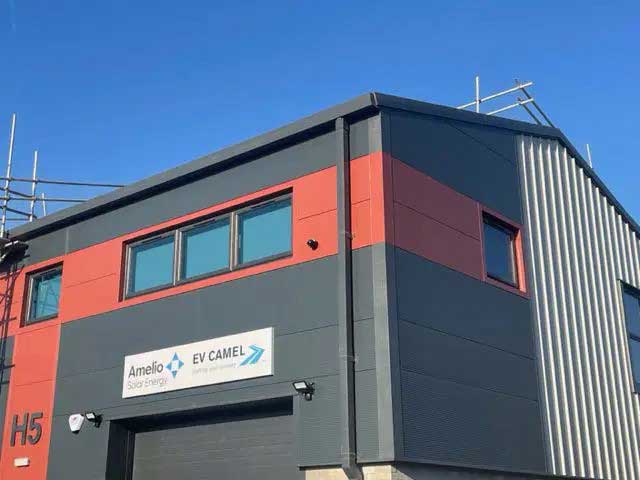
Commercial Mortgage
Home » Property FinanceOur client, Amelio Solar Energy, works within the sustainable energy field, helping business and homeowners reduce their electricity bills and carbon footprint by supplying and installing solar panels onto their buildings. They also have a sister business, […]

Hospitality
Home » Property FinanceOur client, a husband-and-wife partnership, has spent the last 40 years successfully growing their food-led hospitality business with a small B&B property adjoining, which plays a large part in the Lincolnshire tourism economy. The impact of COVID […]
Dreamcatchers
Home » Property FinanceHusband and wife team, Joe and Mhairi (traditional gaelic name – pronounced Vaari) are a young professional Glaswegian couple with a passion for the outdoors. Whilst out and about exploring Scotland in their motorhome one day, they […]
Commercial Mortgage
Home » Property FinanceOur client, Amelio Solar Energy, works within the sustainable energy field, helping business and homeowners reduce their electricity bills and carbon footprint by supplying and installing solar panels onto their buildings. They also have a sister business, […]
Hospitality
Home » Property FinanceOur client, a husband-and-wife partnership, has spent the last 40 years successfully growing their food-led hospitality business with a small B&B property adjoining, which plays a large part in the Lincolnshire tourism economy. The impact of COVID […]

Car Showroom
Home » Property FinanceOur client purchased land in a city centre in 2007 and operated a car dealership from it for 12 years. In 2019, after securing planning permission to develop the site to build 28 apartments the client moved […]